Heating
9 Min Read
Heating System Tune-Ups: What Technicians Actually Check
A heating tune-up should be more than a quick look
Heating equipment needs to operate safely, reliably, and efficiently during the months when comfort matters most. A proper tune-up is a structured inspection of the system’s key parts, not just a quick filter change or a confirmation that warm air comes from the vents.
The exact checklist depends on the type of heating system, but the purpose is the same: confirm safe operation, find wear early, support steady airflow, and give the homeowner a clear explanation of system condition.
What technicians commonly check
Startup and system operation
The technician observes how the system starts, runs, and shuts down. Delayed ignition, repeated cycling, unusual sounds, or inconsistent operation can point to control, airflow, ignition, or safety issues.
Airflow and filter condition
Restricted airflow can affect comfort and equipment temperature. The technician checks the filter, blower behavior, return-air conditions, and signs that the system may be struggling to move enough air through the home.
Electrical components and controls
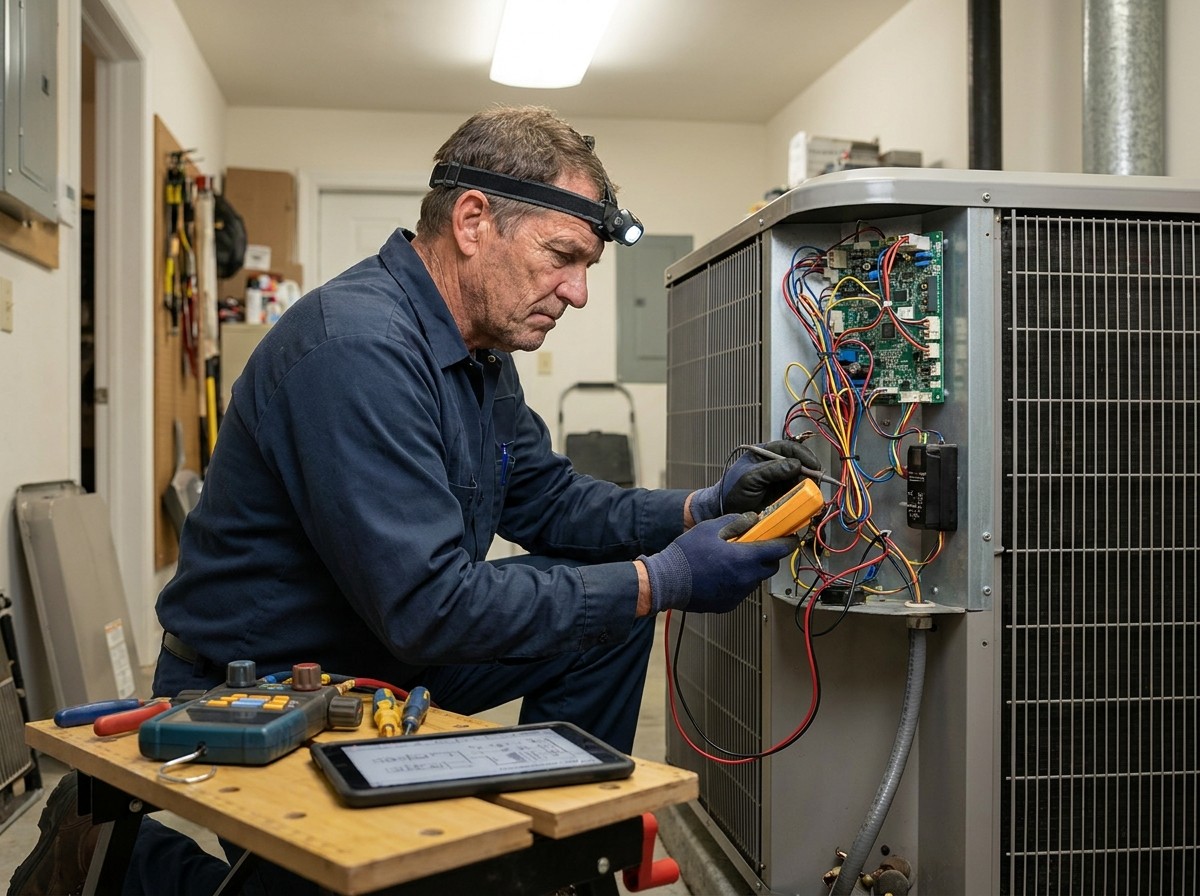
Loose connections, worn contact points, failing capacitors, or control issues can create unreliable operation. Electrical checks help identify problems that may not be obvious during normal use but can cause future shutdowns.
Safety devices and visible wear
Heating systems include safety controls designed to stop operation when conditions are unsafe. A tune-up should confirm that visible safety components are intact and that the system is not showing signs of overheating, damage, corrosion, or abnormal wear.
Why maintenance helps with reliability
Many winter breakdowns come from parts that were already weak before the first cold night. Maintenance gives you a chance to find those issues earlier. It also helps the system run with cleaner airflow and more predictable operation, which can reduce unnecessary strain.
Questions homeowners should ask
After a tune-up, ask what condition the system is in, whether any issues are urgent, what can be monitored, and whether the system is showing signs of age-related decline. A good technician should explain recommendations in plain language and help you understand your options.
When a tune-up is not enough
If your heater smells unusual, shuts down repeatedly, makes loud noises, blows cool air, trips a breaker, or leaves rooms cold, you may need repair rather than routine maintenance. Maintenance is preventive; active symptoms require diagnosis.
Helpful conclusion
A heating tune-up is valuable because it combines safety review, performance checks, cleaning guidance, and practical planning. It helps homeowners enter the colder season with a clearer understanding of their equipment and fewer surprises.
Schedule a heating tune-up to review safety, airflow, controls, and performance before cold weather makes the system work harder.
Schedule HVAC service
Need repair, maintenance, or indoor air help? Send a request and we’ll follow up with clear next steps.