AC Repair
8 Min Read
How to Tell When Your AC Needs Repair Before It Fails
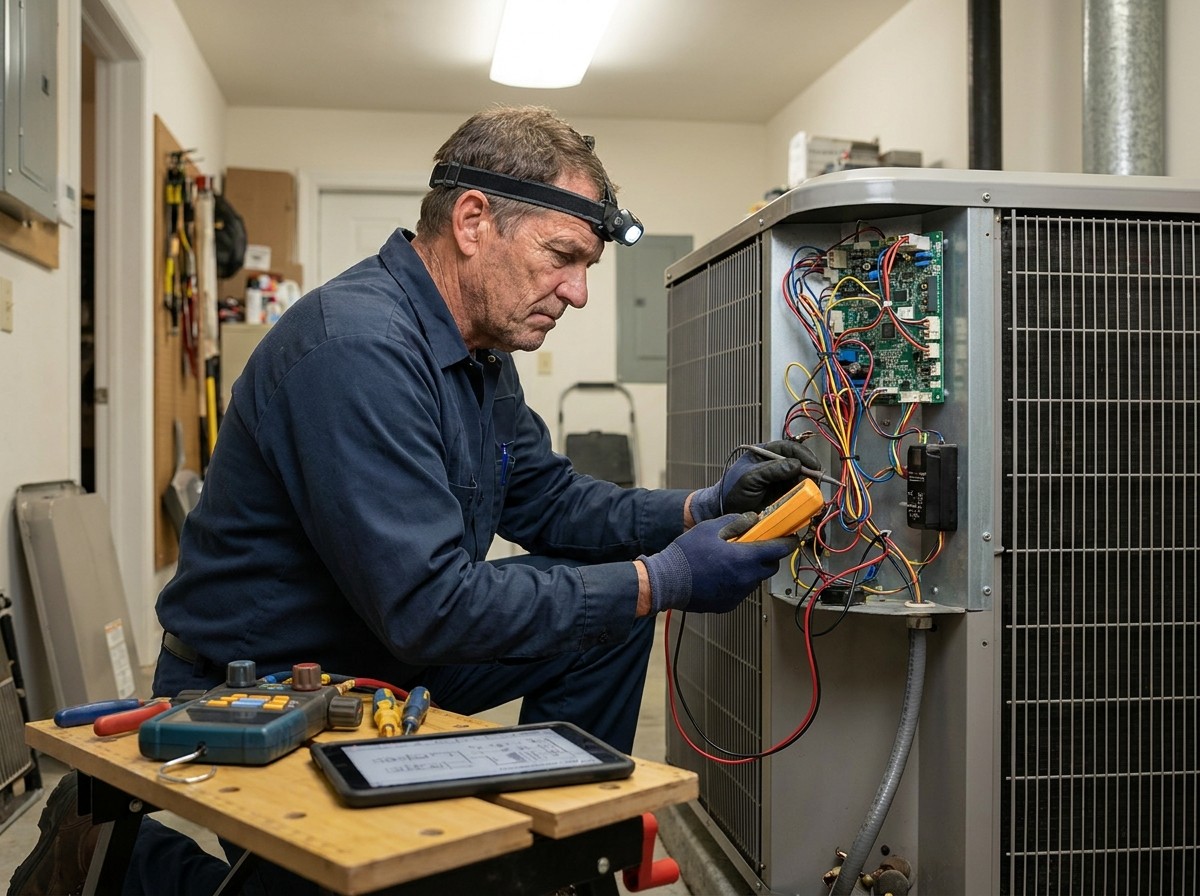
Why early AC repair matters
Most air conditioning problems start quietly. A system may still turn on, blow some cool air, and seem usable, but small performance changes can point to stress inside the equipment. Catching those changes early can help prevent emergency breakdowns, reduce unnecessary wear, and give you time to make a calm repair decision.
For homeowners, the challenge is knowing which symptoms are normal and which ones deserve attention. A brief noise at startup may not mean the same thing as a grinding sound that continues. A slightly warmer room may have a different cause than warm air coming from every vent. The goal is not to diagnose the system yourself, but to recognize when the system is asking for help.
The most common signs your AC needs repair
1. Weak airflow from the vents
Weak airflow can make the home feel humid, uneven, or slow to cool. It may come from a dirty filter, blocked return, blower issue, duct restriction, or frozen coil. If airflow suddenly changes, the system should be checked before it runs for long periods under strain.
2. Warm air or inconsistent cooling
If the thermostat is set correctly but the vents blow warm or only slightly cool air, the problem may involve refrigerant, compressor performance, airflow, thermostat communication, or electrical controls. This is especially important during hot weather because the system may run continuously while still failing to cool the home.
3. Short cycling
Short cycling means the AC turns on and off more frequently than normal. This can happen because of an oversized system, low airflow, a dirty coil, thermostat issues, or a safety control shutting the system down. Short cycling is hard on equipment because motors and compressors experience extra startup stress.
4. New noises or vibration
Rattling, buzzing, grinding, squealing, or banging sounds should not be ignored. Some noises are caused by loose panels or debris, but others can point to motor wear, electrical issues, fan problems, or failing components. A new sound that gets louder over time is a strong reason to schedule service.
5. Water around the indoor unit
Air conditioners remove moisture as they cool. That moisture should drain safely through the condensate system. Water near the indoor unit may indicate a clogged drain line, damaged pan, frozen coil, or drainage issue. Addressing it early can help avoid ceiling, flooring, or wall damage.
What homeowners should check first
Before calling for service, there are a few safe checks you can make. Confirm that the thermostat is set to cooling, the filter is not extremely dirty, vents are open, and the outdoor unit is not blocked by leaves or debris. Also check whether the problem affects the whole home or only one area.
Avoid opening equipment panels, handling electrical components, adding refrigerant, or repeatedly resetting breakers. Those steps can create safety risks or hide the symptom a technician needs to evaluate.
When to call a professional
Call for professional AC repair if warm air continues after basic checks, the system trips a breaker, ice appears on the lines or coil, water is leaking, the unit makes harsh noises, or the home will not reach the thermostat setting. You should also call if the system is older and repairs are becoming more frequent, because a technician can explain whether repair or replacement makes more sense.
Helpful conclusion
AC repair is easier to manage when you respond to symptoms early. Weak airflow, warm air, short cycling, leaks, and unusual sounds are all practical signs that something has changed. A careful diagnosis can identify the cause, explain your options, and help restore dependable cooling before the system fails on the hottest day of the season.
Tell us what you are noticing — weak airflow, warm air, noise, leaks, or short cycling — and we’ll help you choose the right repair or maintenance next step.
Schedule HVAC service
Need repair, maintenance, or indoor air help? Send a request and we’ll follow up with clear next steps.

