Indoor Air Quality
8 Min Read
Indoor Air Quality: Simple HVAC Upgrades That Make a Difference

Indoor air quality is part of everyday comfort
Indoor air quality affects how a home feels, smells, and functions day to day. Dust buildup, stale air, dry rooms, excess humidity, lingering odors, and allergy irritation can all be connected to how air moves through the HVAC system. Because your HVAC equipment circulates air throughout the home, it is often the best place to start when looking for practical improvements.
There is no single upgrade that fits every home. The right solution depends on the symptoms, the existing system, the home’s layout, and how the household uses the space.
Start with filtration
Air filters protect equipment and help capture particles moving through the return air. Choosing the right filter matters. A filter that is too restrictive can reduce airflow, while a filter that is too basic may not address the homeowner’s concerns. The best choice balances filtration with the system’s ability to move air properly.
Homeowners should replace filters consistently and make sure the filter fits correctly. Gaps around the filter can let air bypass the media, reducing the benefit.
Humidity plays a major role
Air that is too humid can feel heavy, encourage musty odors, and make cooling less comfortable. Air that is too dry can cause irritation and make the home feel colder in winter. HVAC maintenance, proper sizing, drainage, and humidity-control accessories may all affect indoor comfort.
Signs humidity may be part of the problem
Watch for condensation on windows, musty smells, rooms that feel sticky, dry skin, static electricity, or wood finishes that shrink or crack. These signs do not all have the same cause, but they are useful clues when discussing indoor air quality with a technician.
Ventilation and fresh air
Some homes feel stale because air is recirculated without enough fresh-air exchange. Ventilation solutions can help, especially in tighter homes or spaces with persistent odors. The right approach should be matched to the home so comfort, humidity, and energy use remain balanced.
Maintenance matters more than many homeowners realize
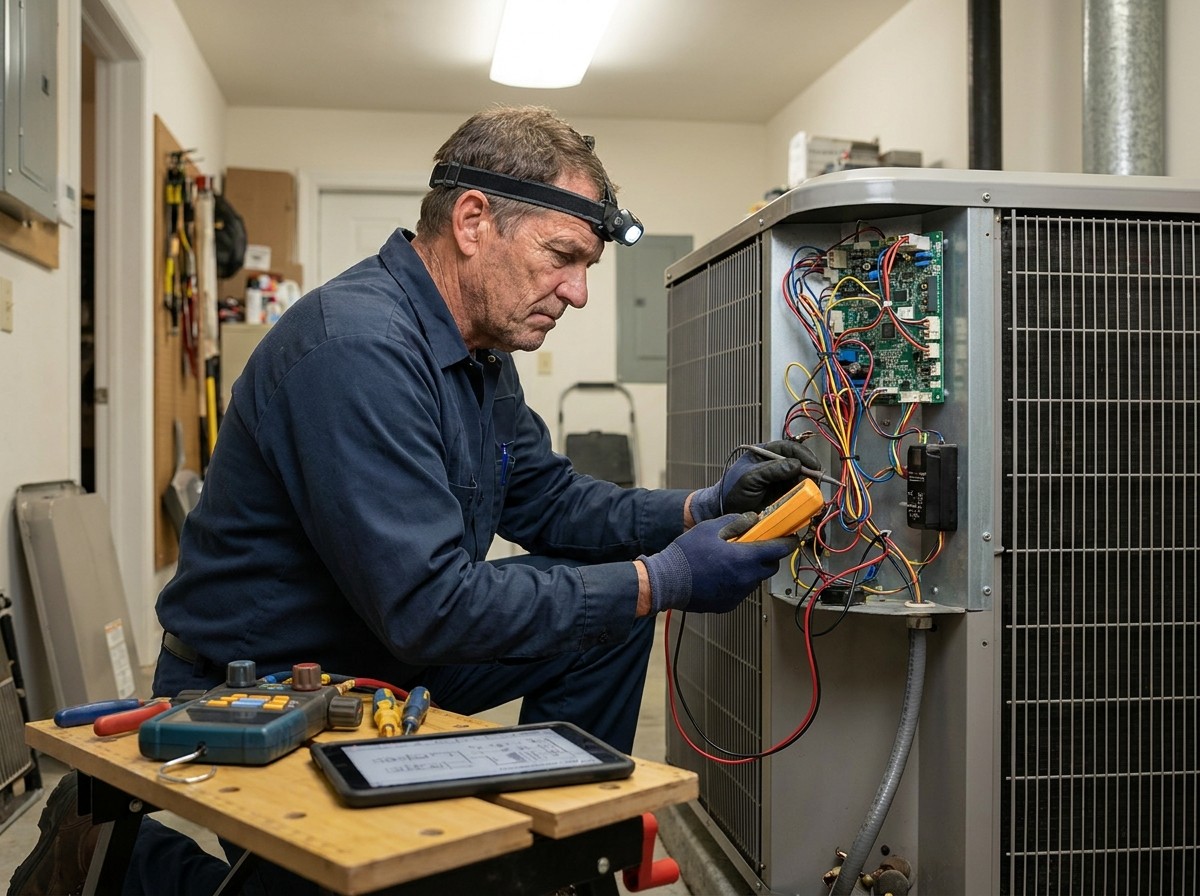
Dirty coils, clogged drains, dusty returns, and neglected filters can all affect air quality and comfort. Regular HVAC maintenance helps keep the system cleaner and gives a technician a chance to spot moisture or airflow problems that may contribute to indoor air concerns.
Common mistakes to avoid
Avoid buying the most restrictive filter without checking system compatibility, ignoring moisture problems, masking odors without finding the source, or assuming portable devices solve whole-home issues. Portable products can help in certain rooms, but HVAC-based solutions often provide more consistent results throughout the home.
Helpful conclusion
Improving indoor air quality starts with understanding the symptoms. Filtration, humidity control, ventilation, and maintenance each solve different problems. A thoughtful HVAC evaluation can help identify which improvements are likely to make the biggest difference in your home.
Tell us about dust, odors, humidity, allergies, or stale rooms and we’ll recommend indoor air quality options that fit your HVAC system.
Schedule HVAC service
Need repair, maintenance, or indoor air help? Send a request and we’ll follow up with clear next steps.